The essentials
- Open from 10:00 to 18:00, closed on Tuesdays, galleries close fifteen minutes before — see the opening hours and closure days.
- One to one and a half hours is enough, two hours if you open the drawing cabinets — details on the page visit duration.
- Free on the first Sunday of the month, for under-18s and EU residents aged 18–25 — other cases on is it free?.
- Included in the Paris Museum Pass, with over sixty other sites — how the pass works.
- Métro Trinité or Saint-Georges, line 12, Palais Garnier a ten-minute walk away — how to get there.
What the visit includes
Two ways to enter: the museum ticket, purchased on-site or on the official website musee-moreau.fr, or the Paris Museum Pass if the museum is part of a series of visits.
With the museum ticket
- The two studios on the second and third floors, connected by the spiral staircase
- The first-floor apartment, open to the public since 1991
- The ground-floor reception room, restored in 2003
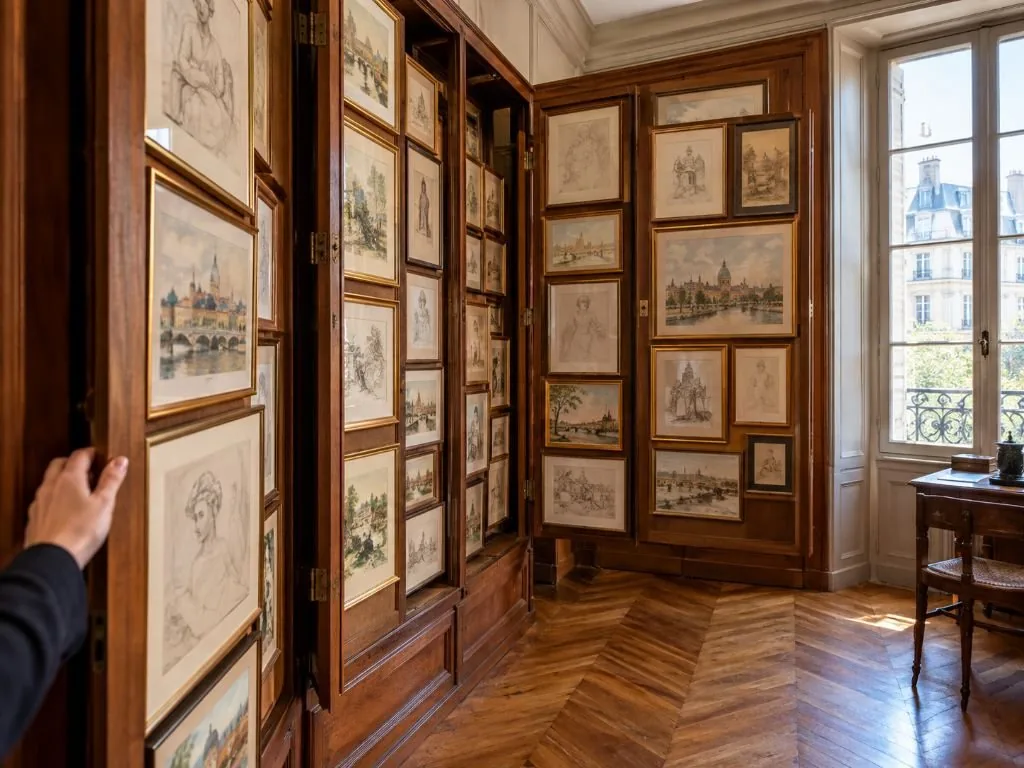
- The pivoting shutter furniture, with drawings that you can leaf through yourself
- A reduced rate at the Guimet Museum, Henner Museum, Musée d’Orsay, Musée de la Vie Romantique, and Palais Garnier
With the Paris Museum Pass
- The Musée Gustave Moreau and over sixty museums and monuments, including the Louvre and Musée d’Orsay
- Priority entry, permanent collections only
- Two, four, or six consecutive days, starting from the first day of use
- Collection of the physical pass at an office near the Louvre
- Free cancellation up to 24 hours before
The tour, floor by floor
What you see in the house, in the order in which I guide the visit.
You enter through the ground floor overlooking the garden, go up to the apartment, then gain height in the two studios before finishing in front of the drawing cabinets.
- Ground floor — Six small rooms overlooking the garden, including the reception room restored in 2003, with drawings and copies after the Italian masters.
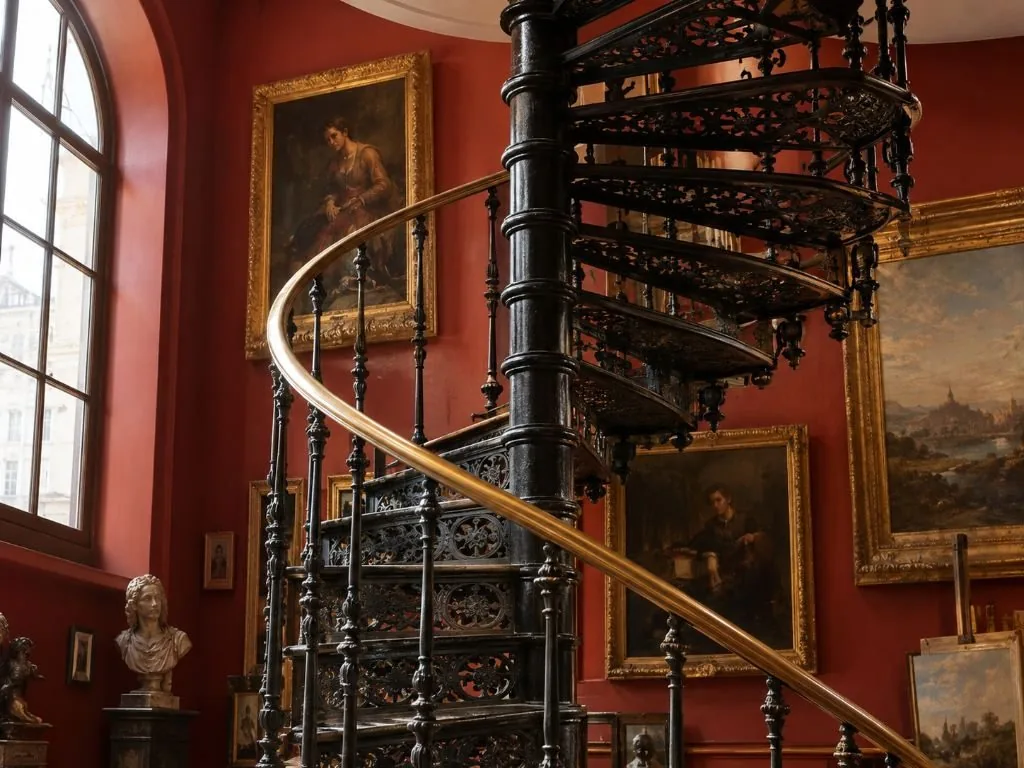
- The staircase — The spiral staircase designed by Albert Lafon in 1895, connecting the two studios; it’s the photo everyone takes home.
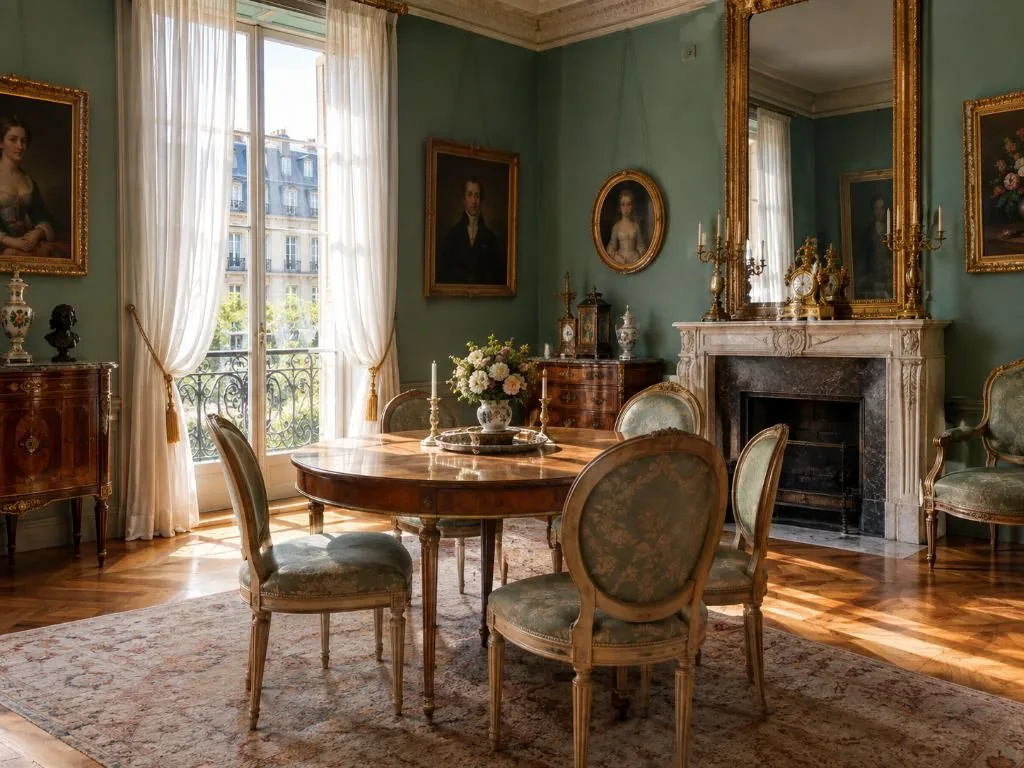
- First floor, the apartment — Dining room, bedroom, boudoir, and study-library, opened to the public in 1991, featuring Degas’ portrait of Moreau.
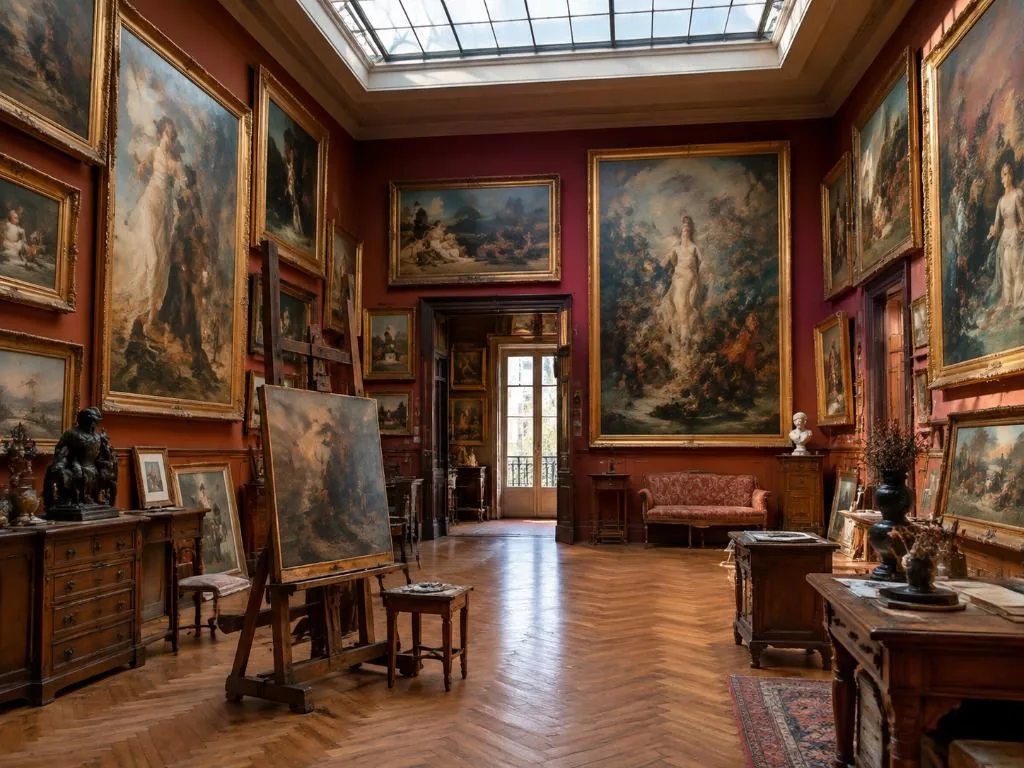
- Second floor, the large studio — Canvases from floor to ceiling, hung by Moreau himself, including The Chimeras (1884) and The Apparition.
- Third floor, the large formats — Jupiter and Semele (1895), The Return of the Argonauts (1891–1897), The Unicorns: the tallest paintings in the house.
- The drawing cabinets — Pivoting panels designed by Moreau, containing hundreds of drawings that you open yourself. Allow time for this.
Allow one to one and a half hours, two if you open the panels. The list of works with their dates is on the page works to see.
How to book
Choose your visit
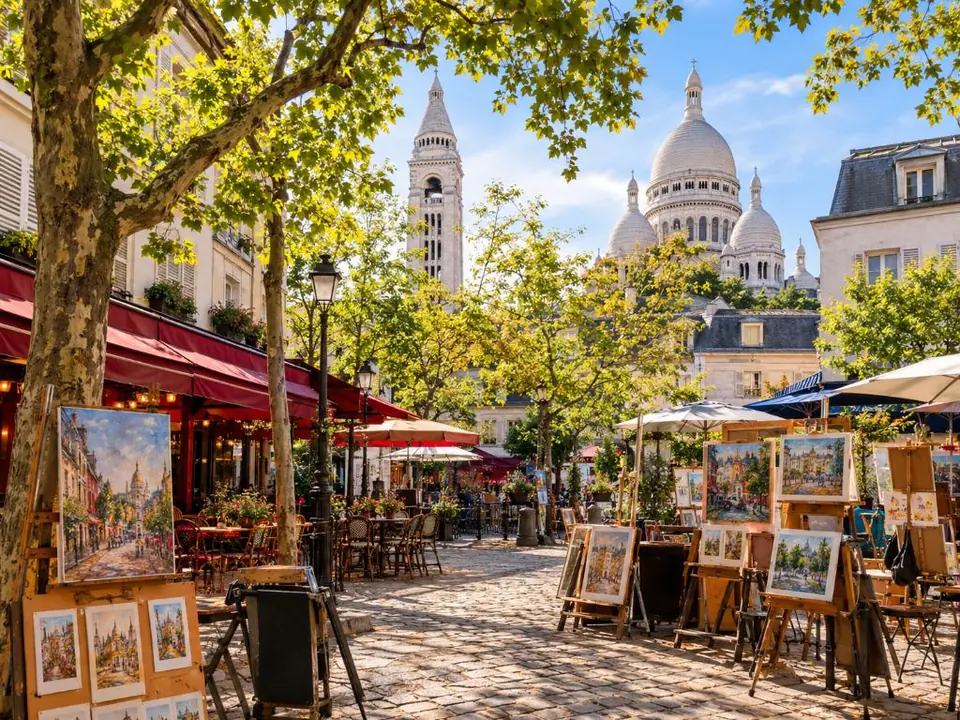
If you’re visiting several museums, consider the Musée d’Orsay for Moreau’s large-scale paintings, the Palais Garnier, or Montmartre for the neighbourhood.
Book via GetYourGuide
Booking is done through GetYourGuide; we don’t sell anything ourselves, and the museum ticket is purchased at the door.
Instant confirmation
The voucher arrives by email with the meeting point and instructions.
Free cancellation
Up to 24 hours before for the tours we compare; check the conditions on the listing before paying.
Paris Museum Pass availability
The pass that includes the Musée Gustave Moreau, the Louvre, the Musée d’Orsay, and the Musée de l’Orangerie for two, four, or six consecutive days. Live dates below.
Which visit to pair with the Musée Gustave Moreau?
Three very different options to complete your morning on rue de La Rochefoucauld.
| Musée d’Orsay: guided tour of the masterpieces | Our pickParis Museum Pass: 2, 4 or 6 days | Palais Garnier: self-guided visit | |
|---|---|---|---|
| Duration | 2 h | 2, 4 or 6 consecutive days | 1 to 2 h |
| Format | Guided, maximum 25 people or semi-private for 6 | Individual pass | Self-guided visit |
| What is included | Ticket, reservation, art historian guide | More than 60 museums and monuments, priority entry | Reserved entry to the Palais Garnier |
| Language | English | Not applicable | Not applicable |
| Meeting point | Entrance to the Musée de la Légion d'Honneur | Collection near the Louvre | Place de l’Opéra |
| Cancellation | Free up to 24 hours before | Free up to 24 hours before | View the details |
| Ideal for | Seeing Orpheus, Galatea and Jason after the museum | Three or four major museums in two days | A golden hour ten minutes on foot |
| See → | Book → | See → |
Photo gallery
In Moreau’s house
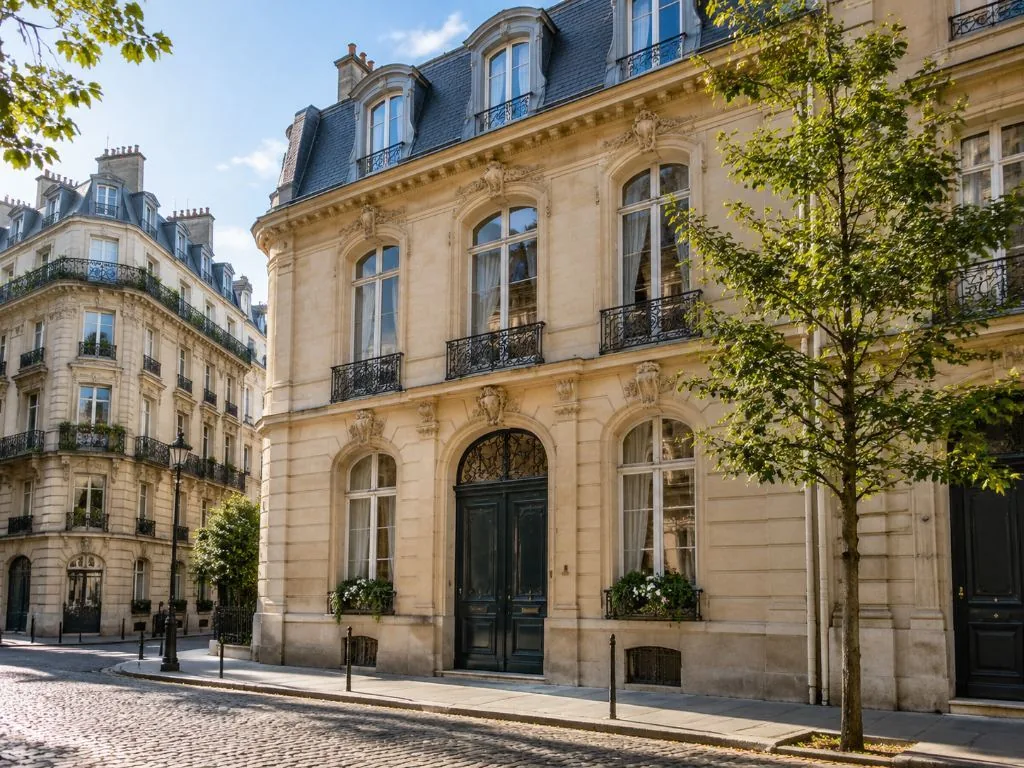
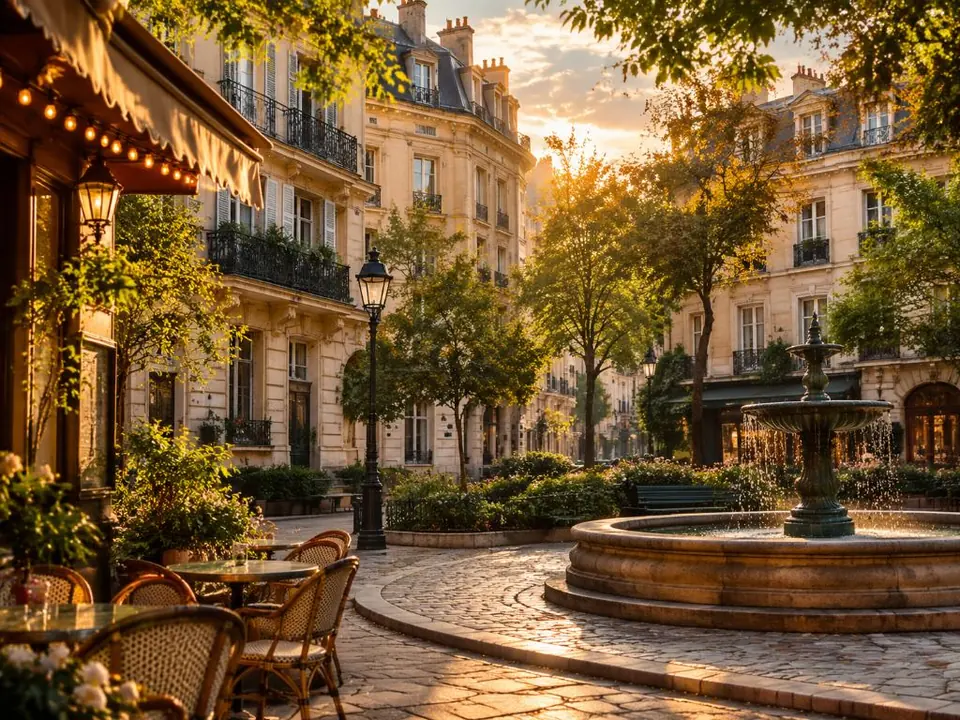
The studios, the staircase, the apartment, and the street, as seen on a weekday morning.
The visits we compare
The museum takes up a morning. These four options fill the rest of the day; the seven detailed sheets are on the page all visits.
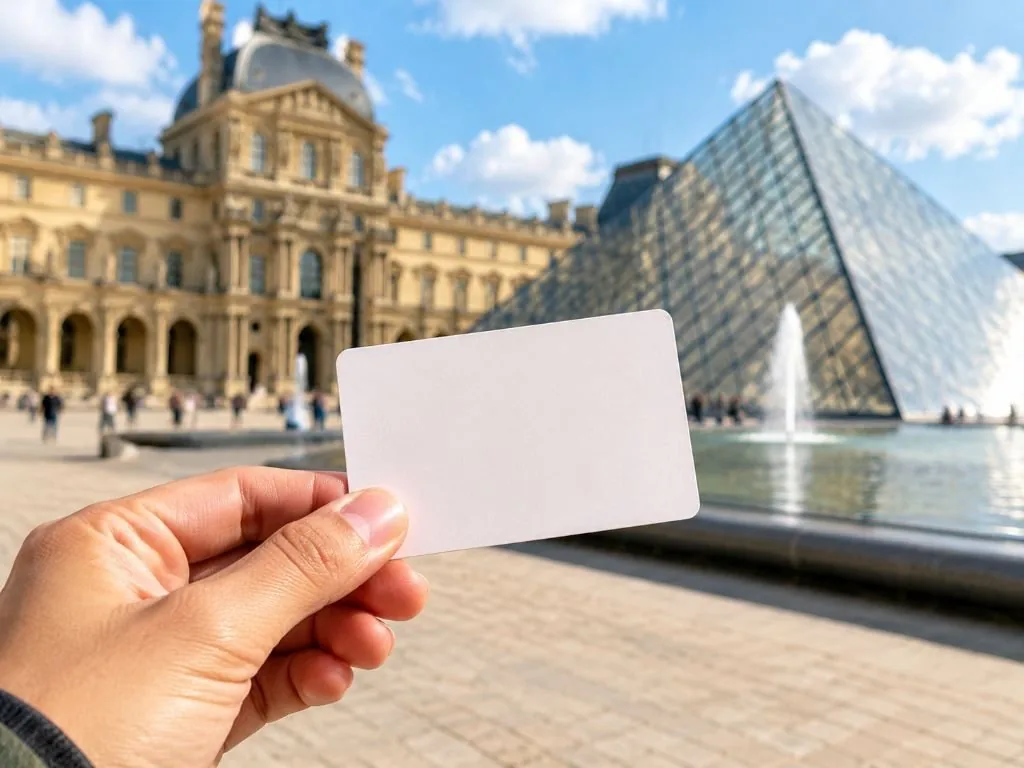 Includes the Musée Gustave Moreau
Paris Museum Pass: 2, 4 or 6 days
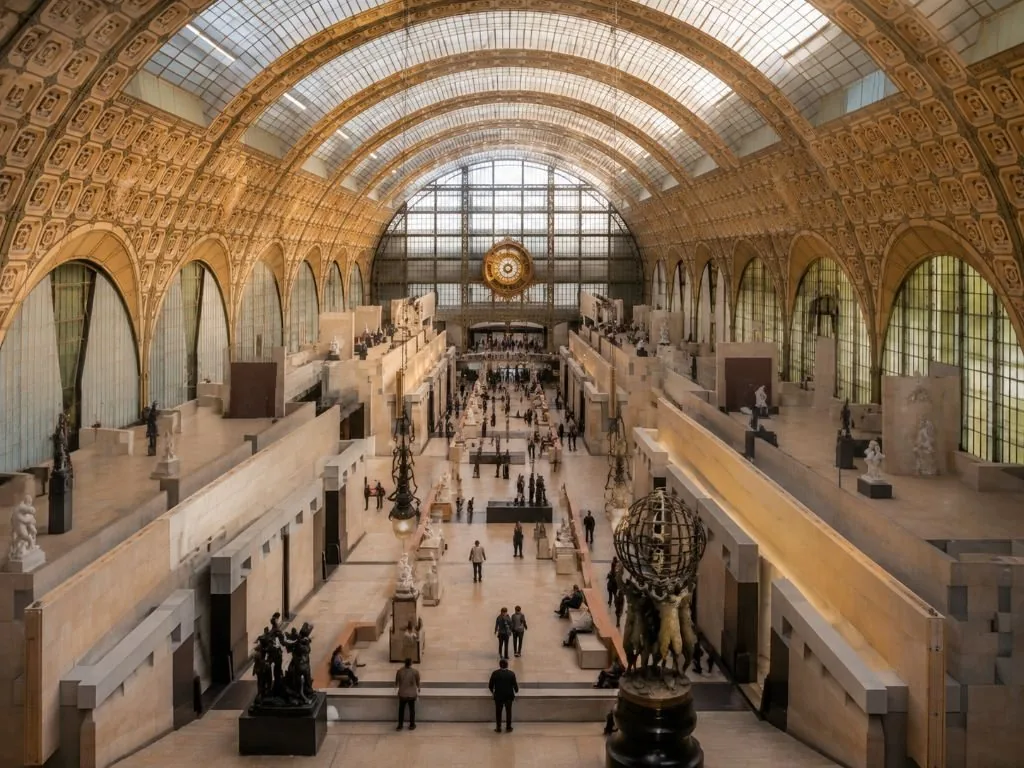 Personal favourite
Musée d’Orsay: guided tour of the masterpieces
 Most booked
Palais Garnier: self-guided visit
 Walk
WalkMontmartre: guided art, culture and gourmet walk
What visitors say
Excerpts from reviews published on GetYourGuide, translated from English.
An excellent resource for those interested in art, history and architecture.
Book your time slots well in advance.
Anaïs was very knowledgeable, with a real talent for storytelling.
Mathieu took his time with each painting. We wished it could have lasted longer.
The highlight of our holiday.
Denise told us about the places and the artists, and brought us closer to the neighbourhood.
Reviews and ratings are taken from the GetYourGuide profiles of the operators. Read our full reviews ›
Quick answers
The questions I am most frequently asked, answered in one or two sentences.
Is the museum free?
Yes, on the first Sunday of the month, for those under 18, and for EU residents aged 18–25; otherwise, a modest ticket, one of the least expensive in Paris. The details are listed under is it free?.
How long does the visit take?
One to one and a half hours for the four levels, two hours if you open the drawing cabinets. A suggested daily plan is available on how much time to allow.
Which day is it closed?
Tuesday, as well as 1 January, 1 May, and 25 December. Open from 10:00 to 18:00 on other days. See opening hours and practical information.
How do I get there by metro?
Line 12, stations Trinité–d’Estienne-d’Orves or Saint-Georges; Pigalle and Notre-Dame-de-Lorette are a few minutes away. Directions can be found on how to get there.
What is there to see nearby?
The Musée de la Vie Romantique is five minutes away, the Palais Garnier ten minutes, and Montmartre by walking up via Pigalle. The neighbourhood is described on La Nouvelle Athènes.
These dates don’t work for you?
Browse other tours and tickets around the Musée Gustave Moreau and find the time slot that suits you—immediate confirmation and free cancellation on most offers.
The Musée Gustave Moreau, explained
I’ve lived on Rue des Martyrs since 2009 and take groups to the Musée Gustave Moreau at least once a month. Here’s what I say every time before pushing open the door at 14 Rue Catherine-de-La-Rochefoucauld, and how I answer the questions that come up on the way out.
What it actually is
It’s the house where Gustave Moreau lived and worked from 1852, when his parents bought the hôtel on Rue de La Rochefoucauld. In April 1895, he asked architect Albert Lafon to transform it into a museum: the building was expanded, raised by one floor, and two large superimposed studios were connected by a spiral staircase. By his will, dated 10 September 1897, he bequeathed the house and everything it contained to the State, on the condition that its “overall character, which always allows one to appreciate the sum of the artist’s work and efforts,” be preserved. He died on 18 April 1898; the State accepted the bequest in 1902, and the museum opened on 14 January 1903, with his former student Georges Rouault as its first curator. I go into more detail on the history of the house-museum page.
Why it’s not a museum like any other
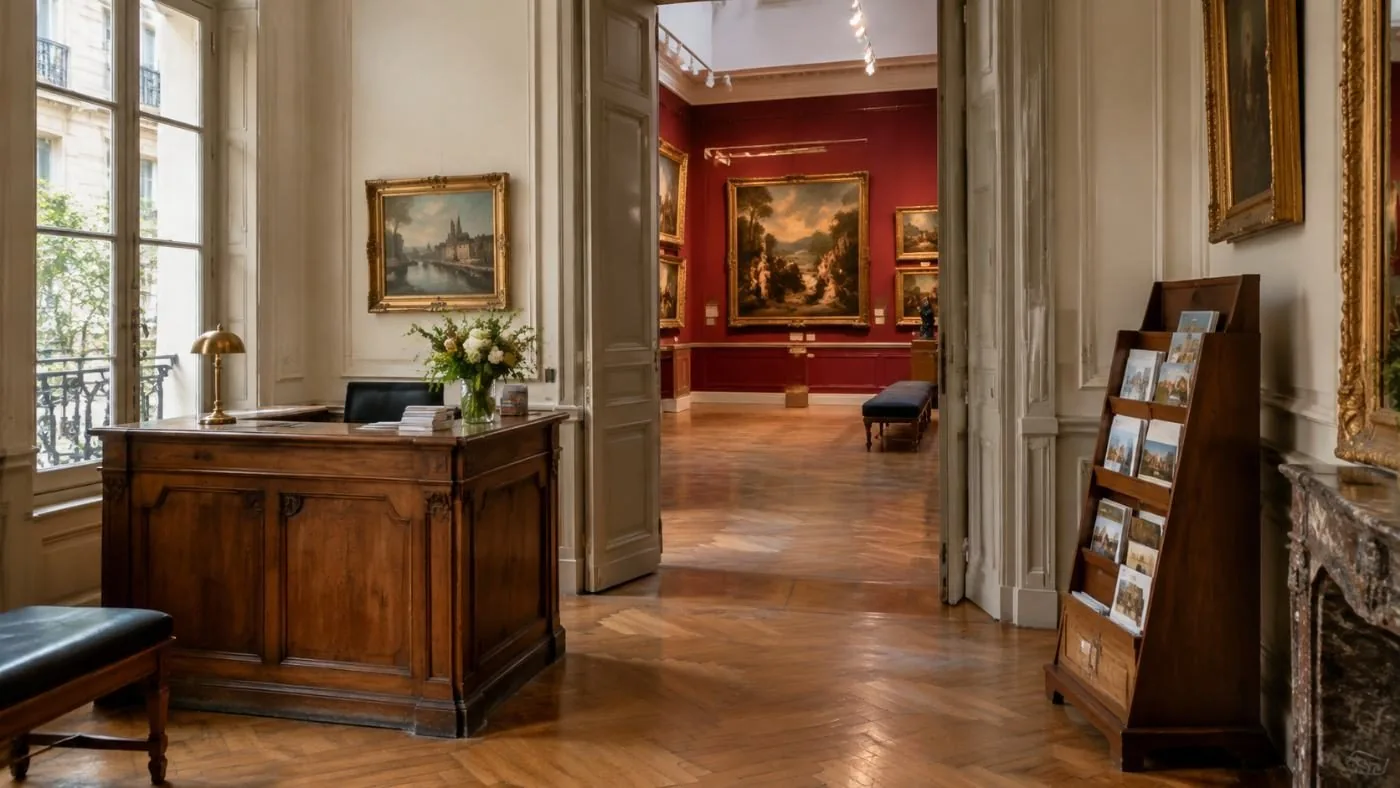
Because it was the painter himself who hung his works, floor to ceiling, and no one has touched them since. Nearly 14,000 works are kept here: around 1,200 paintings, many of them sketches and unfinished canvases, 350 watercolours, over 13,000 drawings, and 15 wax models. The drawings are stored in pivoting shutter cabinets that Moreau designed himself, and you leaf through them standing up, just as he did. The museum receives around 40,000 visitors a year, whereas the major Parisian museums count their visitors in the millions. In practice, you’re often alone in the third-floor studio. You should also know what’s missing: labels are rare, there’s no café, and the floors are reached by stairs.
What to see, and in what order
I always follow the same route. On the ground floor, six small rooms overlooking the garden, including the reception room restored in 2003, with drawings and copies after the Italian masters. On the first floor, the apartment, opened to the public in 1991: dining room, bedroom, boudoir, study-library, a largely intact 19th-century bourgeois interior. Then the large studio on the second floor and, via the spiral staircase, the third-floor studio where the very large formats are hung. This is where you’ll find Jupiter and Semele (1895), The Chimeras (1884), The Return of the Argonauts (1891–1897), The Unicorns, and the painted version of The Apparition. I save the drawing cabinets for last, once the group has understood what they’re looking at. The complete list, with dates, is on the works to see page. If you’re looking for Oedipus and the Sphinx, it’s in New York, and Orpheus, Galatea, and Jason are at the Musée d’Orsay.
When to go, and how much time to allow
The museum is open every day except Tuesday, from 10:00 AM to 6:00 PM, with the galleries closing a quarter of an hour before. It is closed on January 1st, May 1st, and December 25th. There is no mandatory time slot; you may enter whenever you wish. Allow one to one and a half hours, or two hours if you open the drawers of the drawings, which I recommend. Admission is free on the first Sunday of the month, for those under 18, and for EU nationals aged 18–25; otherwise, the ticket is one of the least expensive in Paris, and it grants a reduced rate at five other museums, including the Musée d’Orsay and the Palais Garnier. Details are on the tickets page. Weekday mornings are the quietest time, but honestly, it is never crowded.
How to combine it with the Musée d’Orsay, Palais Garnier, or Montmartre
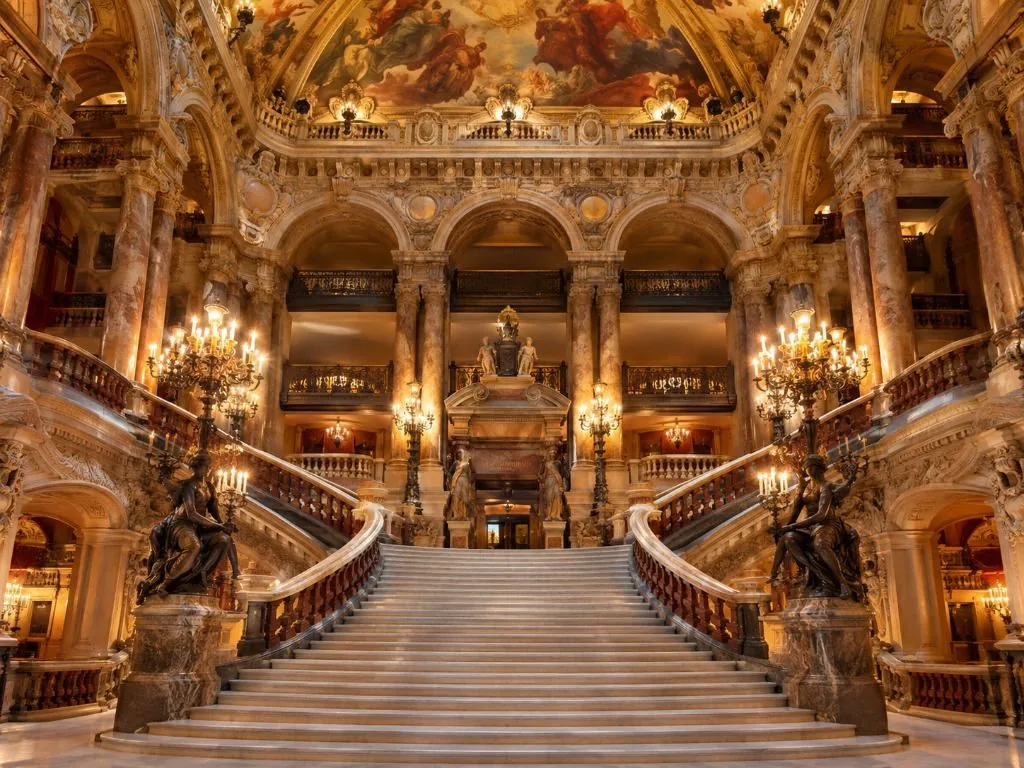
The museum takes up a morning, not a full day. Three sequences seem logical to me. The first: take line 12 to Solférino and the Musée d’Orsay, where the large canvases by Moreau that you will not have seen on Rue de La Rochefoucauld are displayed; an afternoon guided tour of the Musée d’Orsay makes for a coherent day, from Symbolism to Impressionism. The second: a ten- to twelve-minute walk south to the Palais Garnier, whose gilded decor speaks the same language as Moreau’s studios. The third: head back up via Pigalle to Montmartre, a twenty- to twenty-five-minute climb. If you are visiting several major museums over two days or more, the Paris Museum Pass includes the Musée Gustave Moreau along with over sixty other sites; otherwise, the museum’s ticket is sufficient.
Who should skip it
Someone who wants explanations for every painting, as the labels do not provide them and there is no audio guide. Someone who cannot climb two or three flights of stairs. Someone who has only two days in Paris and has not yet seen either the Louvre or the Musée d’Orsay. For everyone else, and especially for those who have already visited the major museums and are looking for a place where you can hear your own footsteps, this is the museum I recommend first in the 9th arrondissement. My detailed opinion is on the is it worth a visit page.
Frequently asked questions
Is the Musée Gustave Moreau free?
It is free on the first Sunday of the month for the permanent collections, free all year round for those under 18 and for EU nationals aged 18–25, and included in the Paris Museum Pass. Otherwise, the ticket is modest and grants a reduced rate at five other museums. Everything is on the tickets and free admission page.
Who was Gustave Moreau?
A painter, engraver, and draughtsman born in Paris on April 6, 1826, and who died in this house on April 18, 1898, a major figure of Symbolism, admired by Huysmans and Proust, and a professor at the École des Beaux-Arts from 1892. His life and subjects are on the who was Gustave Moreau page.
How much time should I allow?
Allow one to one and a half hours for the ground floor, the apartment, and the two studios; two hours if you browse the drawings in the shuttered cabinets. Sample itineraries combining a visit with the Musée d’Orsay or the Palais Garnier are available at how long the visit lasts.
How to visit the museum?
Without booking: tickets are purchased at the door or on the official website musee-moreau.fr; no time slot is required, and the museum is rarely crowded. Open daily from 10:00 to 18:00 except Tuesdays, metro line 12. The opening hours and access details are provided on their pages.
What is the history of the museum?
Moreau’s parents bought the townhouse in 1852; in 1895, the architect Albert Lafon transformed it into a museum with two superimposed studios. Moreau bequeathed the entire property to the State by will in 1897, died in 1898, and the museum opened on 14 January 1903, with Georges Rouault as its first curator. The full chronology is available at history of the house-museum.
What are Gustave Moreau’s most famous works?
On site, Jupiter and Semele (1895), The Chimeras (1884), The Return of the Argonauts, and the painted version of The Apparition. Elsewhere, Oedipus and the Sphinx (1864) is at the Metropolitan Museum in New York, while Orpheus, Galatea, and Jason are at the Musée d’Orsay, which can be visited with a guided tour. A complete list is available at works to see.
Who were Gustave Moreau’s students?
As head of the studio at the École des Beaux-Arts from 1892 until his death, he trained 125 students, including Henri Matisse, Georges Rouault, Albert Marquet, Henri Manguin, and Charles Camoin, several of whom became Fauvists. Rouault later became the museum’s first curator. Further details are available at Moreau’s students.
Who owns the Musée Gustave Moreau?
The State, following Moreau’s bequest, which was accepted in 1902. It is a national museum under the supervision of the Ministry of Culture and, since 2017, has been part of the same public institution as the Musée Jean-Jacques Henner, currently directed by Charles Villeneuve de Janti. This site is an independent guide with no affiliation to the museum; see about.
Any questions? Write to us: [email protected].